
From Heartbreak to Hope: A Turning Point for CGM Access HISTORICAL SUMMARY | MAY 2016 …
A Milestone for Continuous Glucose Monitoring in Australia
DANII Foundation historical summary | April 2017
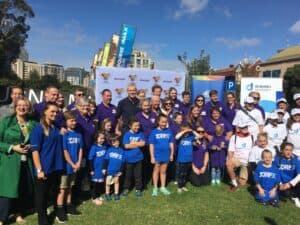
DANII Foundation community members and supporters during the 2017 CGM campaign period. Photo: DANII Foundation collection.
A significant step forward for families living with Type 1 diabetes
April 2017 marked an important chapter in Australia’s journey toward wider access to Continuous Glucose Monitoring (CGM) technology for people living with Type 1 diabetes.
From 1 April 2017, an Australian Government initiative began providing subsidised CGM products through the National Diabetes Services Scheme (NDSS) for eligible people with Type 1 diabetes under 21 years of age. At the time, the initiative represented a major change for families who had previously faced substantial out-of-pocket costs to access this technology.
For the DANII Foundation, the announcement carried deep personal and community significance. Since the Foundation was established, improving awareness of diabetes technology and advocating for access to CGM had been central to its work. The Foundation’s advocacy grew from the experience of losing Daniella Meads-Barlow to nocturnal hypoglycaemia in 2011 and the determination to help other families have access to technology capable of warning of dangerous glucose changes.
Why CGM mattered
Continuous Glucose Monitoring uses a small sensor to track glucose levels throughout the day and night. Depending on the system, readings and alerts can help the person living with diabetes, or a parent or carer, identify when glucose levels are moving too high or too low.
In 2017, the prospect of government-supported access meant that eligible young Australians and their families could obtain technology that had previously been financially out of reach for many. The initiative was announced with Australian Government funding of $54 million and was initially directed to eligible people with Type 1 diabetes under the age of 21.
The 2017 initiative was an early stage in the expansion of subsidised CGM access in Australia. Eligibility was broadened in later years, and in July 2022 subsidised CGM access was extended to all Australians living with Type 1 diabetes.
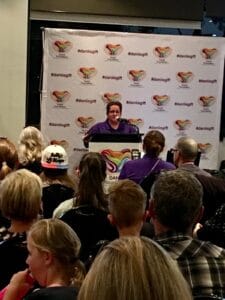 . 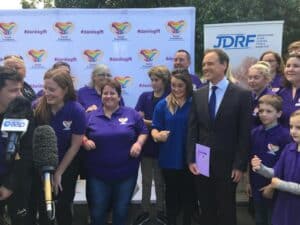
Scenes from DANII Foundation CGM education and advocacy activities in 2017. Photos: DANII Foundation collection. |
DANII’s role: education, awareness and community support
Following the commencement of the initiative, the DANII Foundation focused on helping families understand CGM technology and the new access arrangements. During April and May 2017, DANII delivered a national education and awareness roadshow supporting the implementation of the program and bringing information directly to Type 1 diabetes communities around Australia.
These events brought together people living with Type 1 diabetes, parents and carers, health and diabetes organisations, community advocates and other supporters. They provided an opportunity to discuss how CGM worked, why alerts could be important and how eligible families could learn more about accessing devices through the NDSS.
The photographs preserved by DANII from this period record a community milestone: families, advocates and organisations gathering around a shared goal of improving safety, education and access to diabetes technology.
From a 2017 milestone to broader access
The April 2017 program did not provide subsidised CGM to every Australian with Type 1 diabetes, but it was a major first step. DANII continued advocating for broader access in the years that followed.
This history remains important to the Foundation because it reflects the combined efforts of families, the Type 1 diabetes community, diabetes organisations, clinicians, advocates and government. For DANII, it also represents the purpose behind #DANIIsGift: turning personal loss into practical change for people living with Type 1 diabetes.
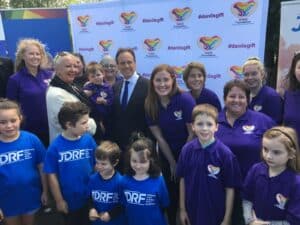 DANII Foundation supporters at a 2017 CGM event. Photo: DANII Foundation collection.
